

fsrunaway.it

Gli immancabili
Accessori Essenziali per gli Appassionati di Aviazione
L'aviazione non è solo un'attività, ma una passione che affascina e coinvolge milioni di persone in tutto il mondo. Gli appassionati di aviazione, che siano piloti, appassionati di aeromodellismo o semplici ammiratori del volo, trovano gioia nell'esplorare il mondo dei cieli e tutto ciò che lo circonda. Tuttavia, dietro ogni esperienza di volo soddisfacente si nasconde una serie di accessori essenziali che facilitano e arricchiscono l'esperienza aeronautica.
Questi accessori vanno oltre il semplice equipaggiamento di base e comprendono strumenti, dispositivi e risorse che possono migliorare la sicurezza, la comodità e il piacere di volare. In questo articolo, esploreremo una selezione curata di accessori indispensabili per gli appassionati di aviazione, fornendo informazioni utili e consigli pratici su come arricchire la propria esperienza di volo.

Dalla Pista
Al Cielo
Se sogni di solcare i cieli e sentire l'adrenalina pulsare mentre ti alzi in volo, allora prendere il brevetto di pilota potrebbe essere il primo passo verso la realizzazione del tuo sogno. Ma come ci si avvia a questo emozionante percorso?
In questo articolo, esploreremo il cammino da seguire per diventare un pilota certificato. Dalla scelta della scuola di volo alle fasi di addestramento, fino alla conquista delle ali, ti guideremo attraverso le tappe fondamentali per trasformare la tua passione per l'aviazione in una carriera o un hobby avvincente. Preparati a sollevarti e a esplorare il mondo affascinante della formazione dei piloti.
le nostre guide
Per acquistare un aereo privato è fondamentale capire come volare in sicurezza e come rispettare le normative e le migliori pratiche. Questa serie esplora vari aspetti, dalla pianificazione alla manutenzione, fornendo consigli e informazioni per massimizzare la sicurezza e la soddisfazione.
Vendita aereomobili
Scopri tutto quello che devi sapere sulla compravendita di aeromobili usati con le nostre guide acquisti. Dalla valutazione dell'aeromobile alla negoziazione del prezzo, scopri i passaggi essenziali per un affare di successo e senza problemi.
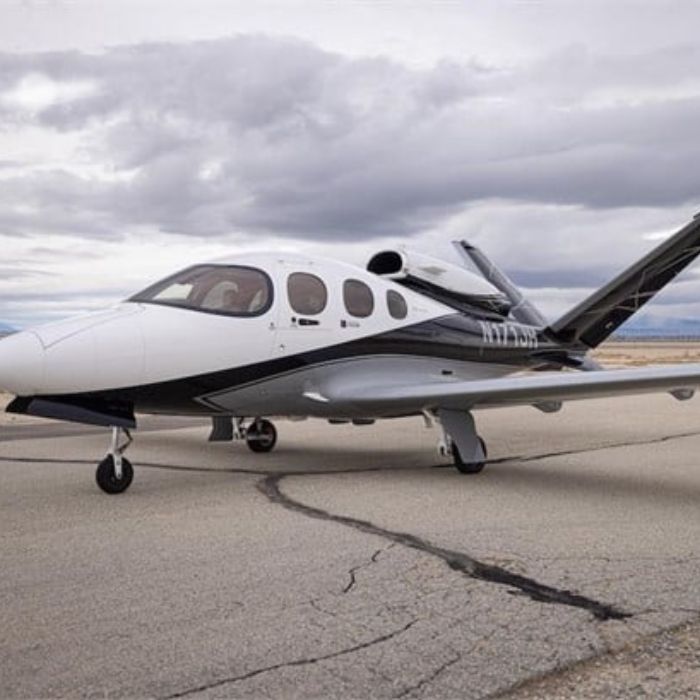
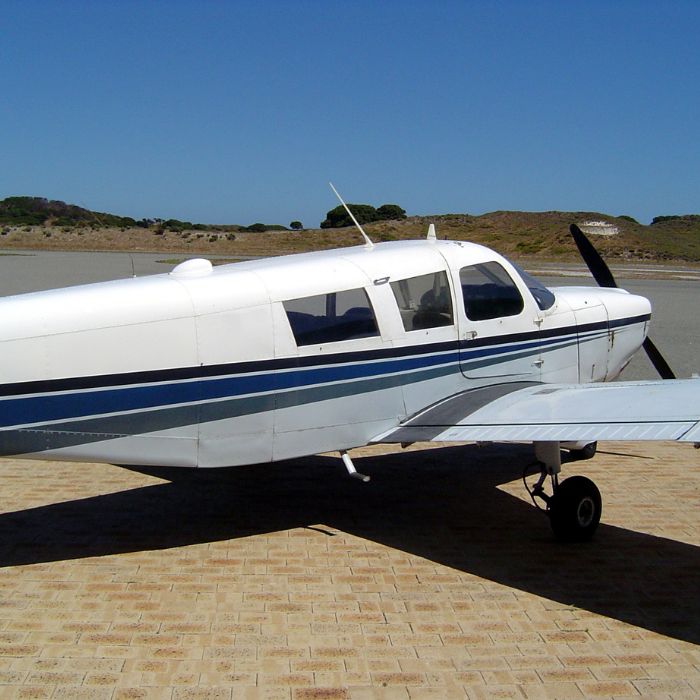
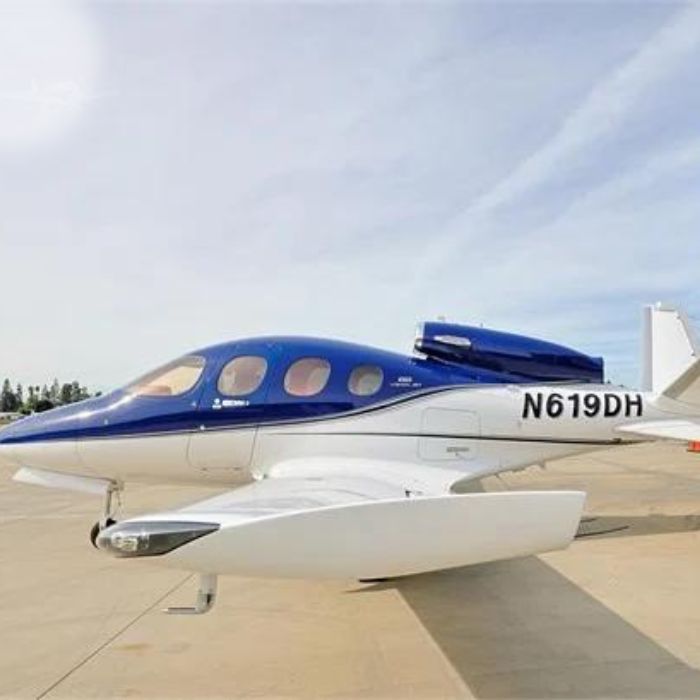
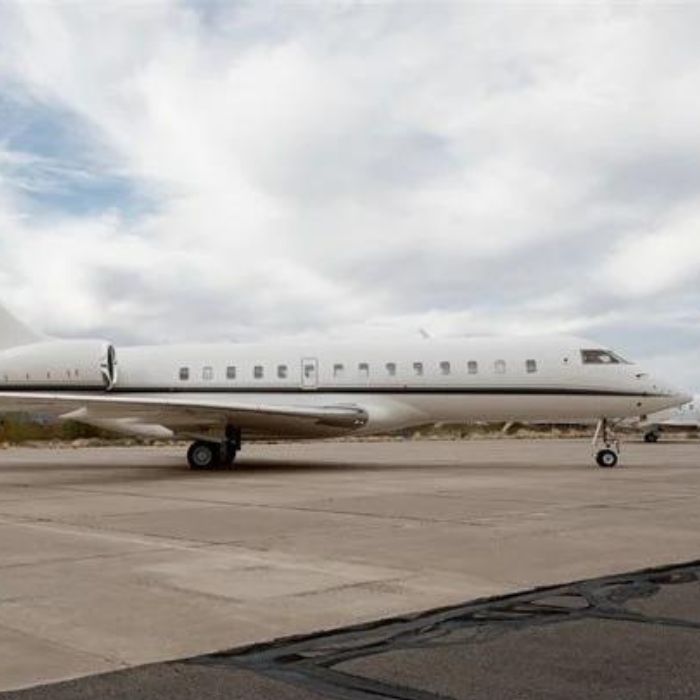


Il mercato accessori
Il mercato degli accessori per aeromobili privati è in costante evoluzione, offrendo una vasta gamma di soluzioni innovative per migliorare comfort, sicurezza e prestazioni. Dai sistemi di avionica avanzati agli interni personalizzati, gli acquirenti trovano opzioni per soddisfare ogni esigenza, riflettendo lo spirito di personalizzazione del settore.
strumenti di bordo
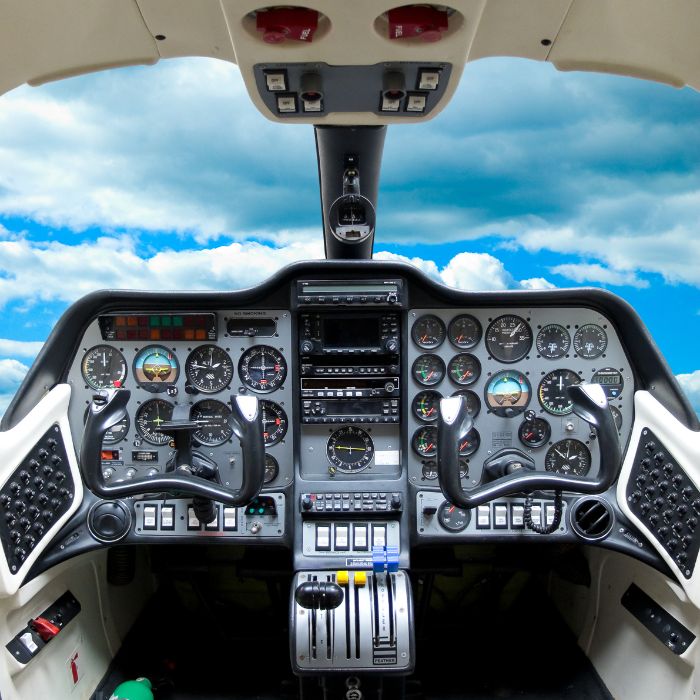
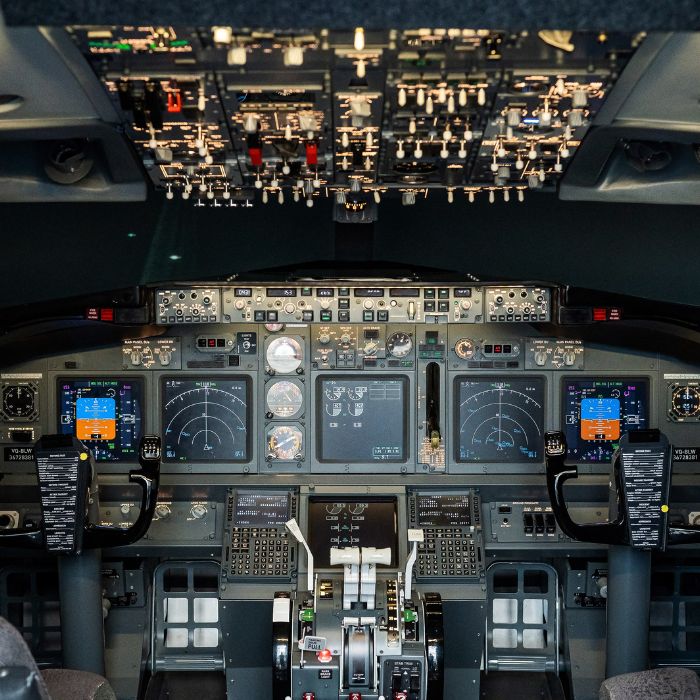
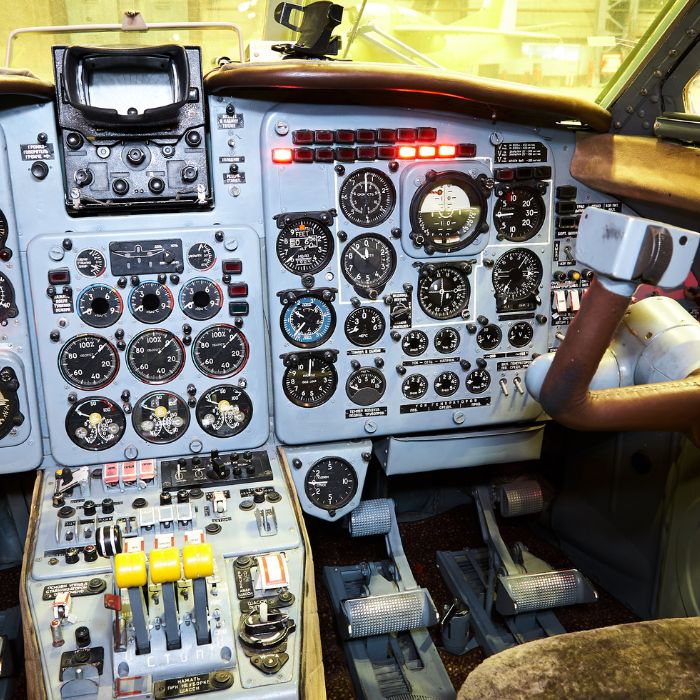
Volare con Precisione
La Guida ai Pannelli di Strumentazione per Aviatori Privati Esigenti
Nell'affascinante mondo dell'aviazione privata, la sicurezza e l'efficienza sono prioritari. Tra gli elementi più critici per un volo impeccabile si annoverano i pannelli di strumentazione, veri e propri cuori pulsanti delle moderne cabine di pilotaggio. In questo articolo, esploreremo i migliori pannelli per l'strumentazione di bordo degli aerei privati, guidandovi attraverso le scelte più intelligenti e avanzate per garantire un volo senza intoppi e una navigazione precisa.
Dalle innovazioni tecnologiche ai classici affidabili, scoprirete una panoramica esaustiva delle opzioni disponibili sul mercato, aiutandovi a prendere decisioni informate per il vostro velivolo. Che siate piloti esperti o appassionati in cerca di un upgrade, vi invitiamo a salire a bordo di questa avventura informativa. Preparatevi a decollare con sicurezza e precisione, verso nuovi orizzonti di eccellenza nell'aviazione privata!
in redazione
Ecco i nostri eroi che arricchiscono costantemente l'esperienza dei nostri lettori con il loro talento e la loro competenza sul campo dell'aviazione privata.
Giornalista appassionato di aviazione, porta con sé una vasta esperienza nel settore dell'aviazione, alimentata dalla sua fervente passione per i voli e i velivoli.

Tiziano si impegna a fornire ai lettori del nostro blog approfondimenti informativi e analisi dettagliate sulle ultime tendenze e sviluppi nell'ambito dell'aviazione privata.

La sua capacità di comunicare in modo chiaro e la sua conoscenza approfondita del settore, rende i suoi contributi una risorsa preziosa per coloro interessati al mondo dell'aviazione.

Con l'allegria e la semplicità che Miriam ispira, quando si trova al timone, il nostro blog continua a solcare i cieli dell'informazione con autorevolezza e entusiasmo.

Attraverso le sue parole, Gianni porta in vita storie emozionanti e analisi approfondite sul mondo dei voli e dei velivoli.

Con una penna acuta e uno sguardo attento alle ultime novità del settore, Martina porta una prospettiva unica al nostro blog.

cosa facciamo di tanto speciale?
Il nostro team vanta anni di esperienza nell'aviazione privata, garantendo informazioni accurate e aggiornate. Utilizziamo fonti autorevoli e verificate per fornire contenuti informativi e aggiornati sul settore dell'aviazione. Copriamo una vasta gamma di argomenti, dalle procedure di volo alla manutenzione dell'aeromobile, per soddisfare tutte le tue esigenze informative. Siamo qui per te. Offriamo supporto personalizzato e siamo pronti a rispondere alle tue domande e a fornirti assistenza quando ne hai bisogno.
Vuoi condividere la tua passione per l'aviazione o avere maggiori informazioni?
Unisciti alla nostra community per discutere di volo, ottenere consigli e condividere le tue esperienze uniche nell'aria. Siamo qui per rispondere alle tue domande e supportarti in ogni fase del tuo viaggio nell'aviazione.
Contattaci subito!